
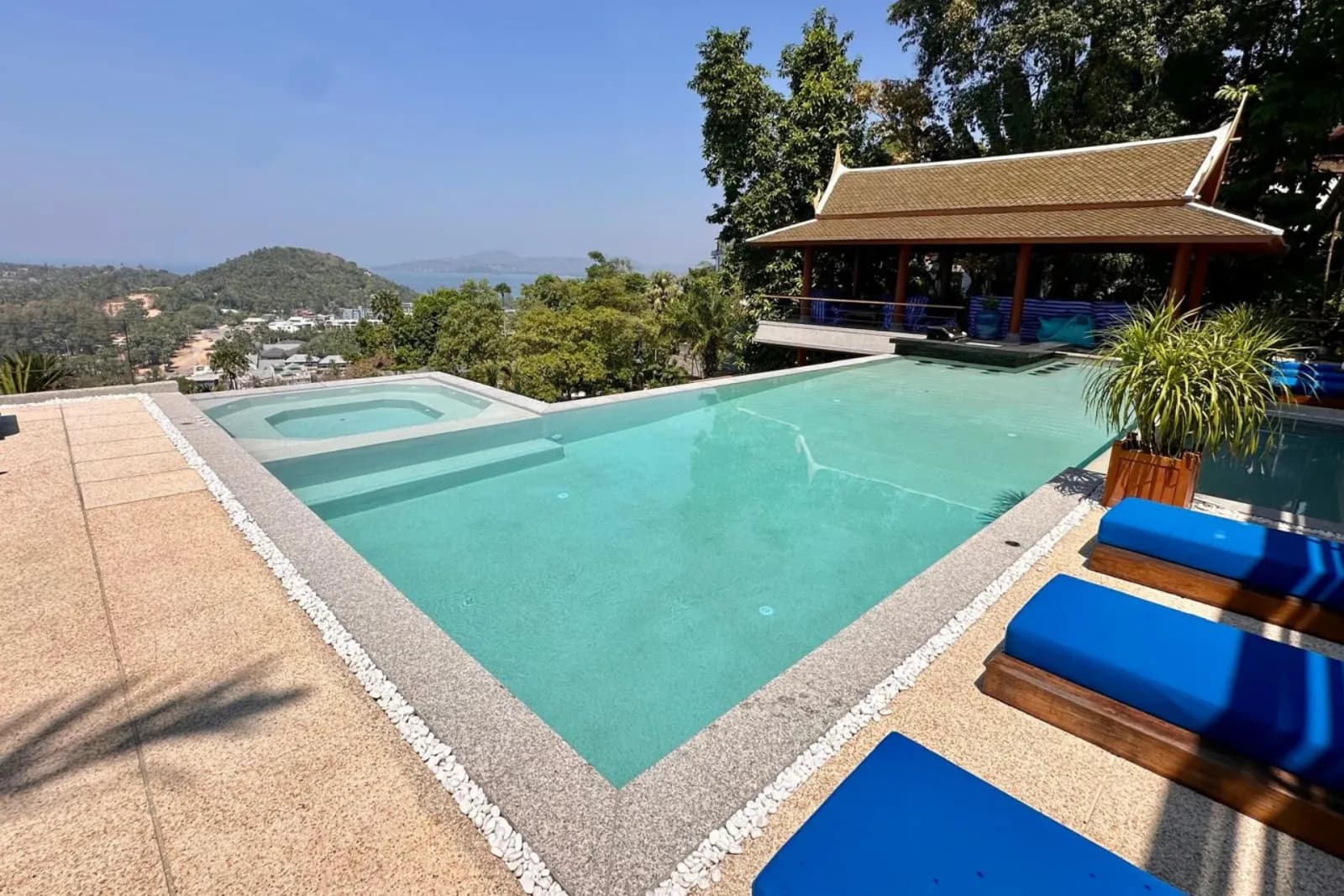
Thailand’s weather is perfect for outdoor living and swimming pools, but it also creates the ideal environment for surface wear. High humidity, heat, constant sunlight, saltwater systems and year-round usage all take a toll on the pool surface over time. That is why resurfacing becomes a necessary stage in every pool’s life-not just for looks, but for protection and durability.
Whether it’s a private villa, resort or luxury home, pool resurfacing restores beauty, improves safety and protects the pool’s integrity for the future. In Thailand’s climate, resurfacing isn’t simply renovation-it’s preservation and performance.
Why Swimming Pools in Thailand Need Resurfacing
Traditional materials struggle against constant heat, water and chemicals. Most swimming pools eventually show signs such as:
- Cracks in the concrete
- Rough texture or worn plaster
- Leaks or surface failure
- Calcium hardness buildup
- Loose or faded tiles
- Stains and discoloration
- Surface wear from pool water and chemicals
These issues only get worse over time. Proper maintenance can slow the damage, but resurfacing is the solution when the surface has reached the end of its life.
Concrete Pools vs Fibreglass vs Vinyl Liner Pools
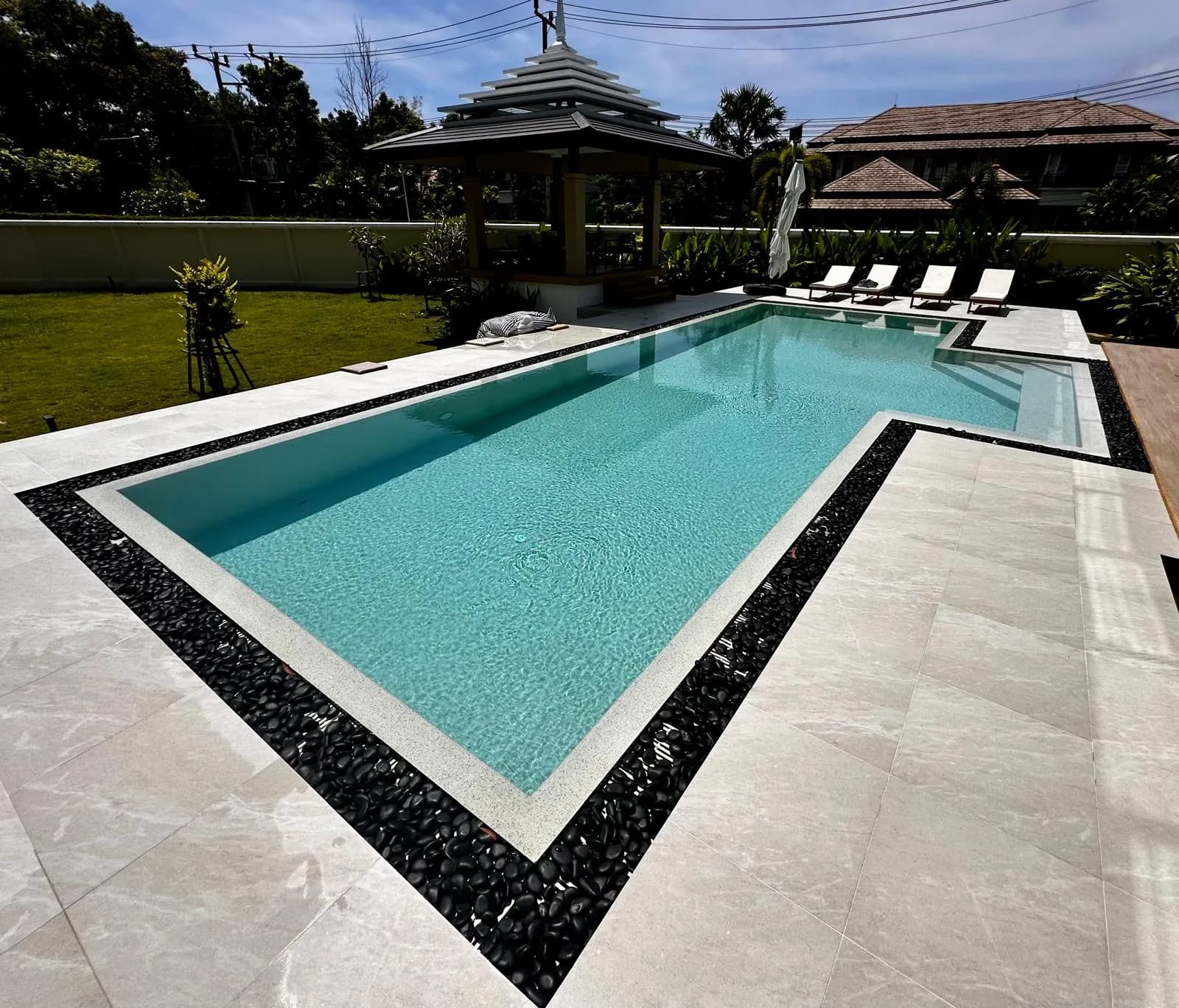
Thailand’s climate highlights the weaknesses of many materials:
- Fibreglass pools may blister or delaminate under heat.
- Vinyl liner pools tear easily and require constant replacement.
- Plaster becomes rough, brittle and worn.
Concrete pools last the longest structurally, but even concrete pools need resurfacing eventually. That’s why choosing the right new material matters. Pebble and aggregate finishes provide superior durability, smooth surfaces and long-term aesthetics.
The Benefits of Pebble and Aggregate Resurfacing
PebbleTec uses natural stone and aggregate finishes instead of plaster or vinyl liners. This gives several advantages in Thailand:
- Resists chemicals, stains and rough texture
- Avoids damage from salt chlorinator systems
- Improves aesthetics and maintains a pristine finish
- Lower maintenance costs and longer lifespan
- Safer surface with no sharp edges or lifting tiles
This is why most premium swimming pool renovation projects choose pebble resurfacing. The result is a smooth, natural and long-lasting interior finish.
Signs It’s Time for Pool Renovation
Pool professionals recommend resurfacing when you begin to notice:
- Cracks and leaks in the concrete pool shell
- Rough or sharp surfaces on the floor and walls
- Stains and discoloration that don’t clean off
- Water remains cloudy despite proper water chemistry
- Pump and pool equipment working harder than usual
- Dust and debris collecting on the surface
These issues affect both safety and durability. Resurfacing restores the pool’s longevity and improves water quality at the same time.
The Pool Resurfacing Process
A professional resurfacing process involves several detailed stages:
- Inspection and Draining
The pool is inspected for structural issues before draining. We check for leaks, cracks and equipment condition. - Surface Removal and Cleaning
Loose plaster, stains, debris and worn material are removed. This prepares the shell for bonding and avoids future damage. - Repairs and Preparation
The concrete is repaired where needed and the pool is cleaned, vacuumed and inspected again - Applying the New Surface
PebbleTec’s aggregate finish is applied by hand. This is where the new surface is created. Unlike fibreglass resurfacing or vinyl replacement, this is a permanent solution. - Washing and Polishing
The natural texture and aesthetics are revealed, creating a smooth and luxurious finish. - Filling and Water Balancing
Filters, pump and pool equipment are tested before filling the pool. The water chemistry is balanced—ph level, alkalinity and calcium hardness are checked to ensure the surface cures properly.
Why Thailand’s Climate Requires Better Materials
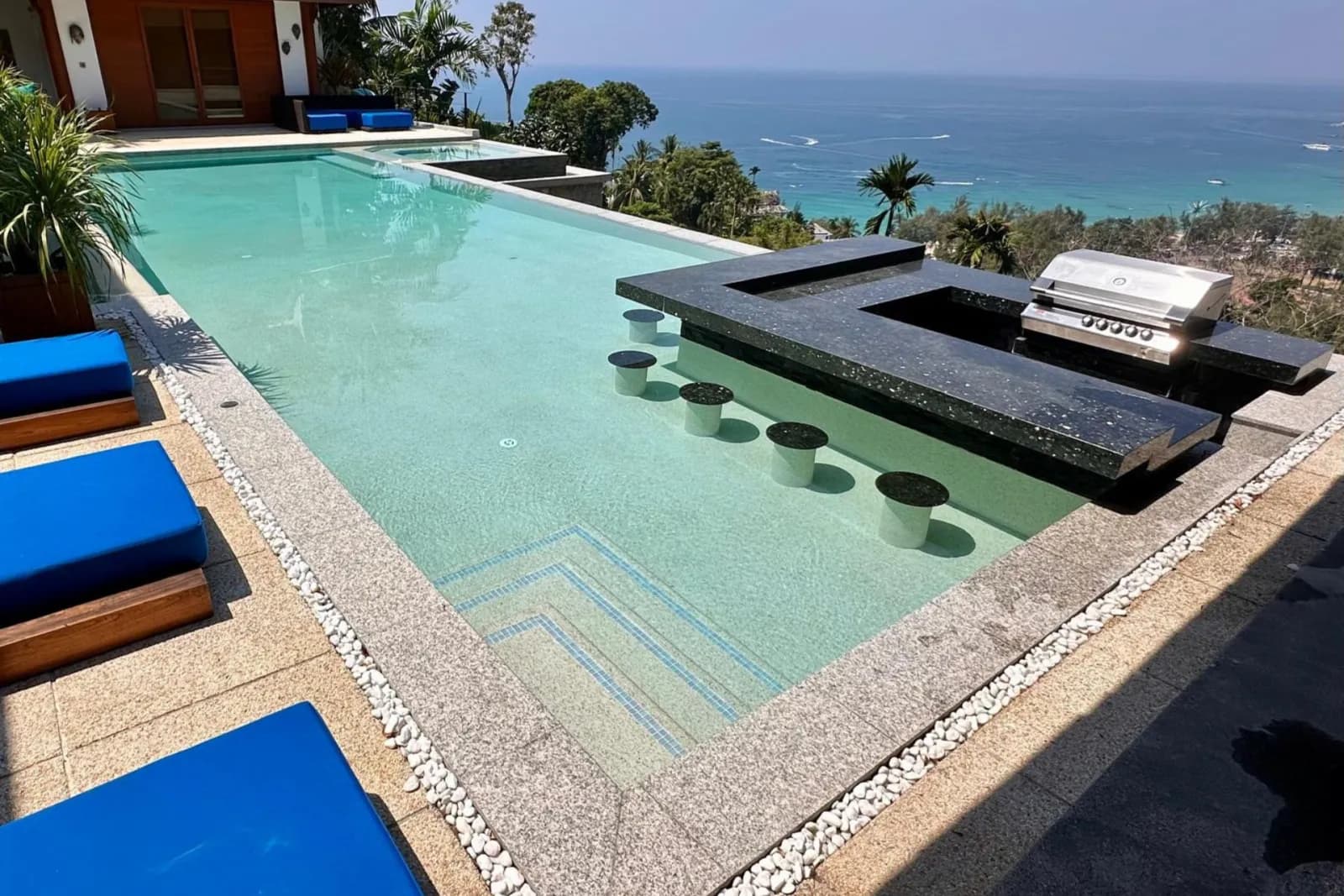
The conditions in Thailand demand a surface that can withstand:
- Constant exposure to chemicals and sunlight
- Year-round heat and humidity
- Salt chlorinator and pool water treatment
- Outdoor debris and dust
- High bather load at resorts and villas
Pebble surfaces maintain their appearance better than plaster, vinyl liners or fibreglass. The durability is significantly higher, and maintenance becomes easier.
Pool Maintenance After Resurfacing
Once the resurfacing is complete, ongoing maintenance is simple:
- Test water chemistry using test strips
- Maintain pump and filtration equipment
- Inspect filters and circulation for debris
- Keep the surface clean to avoid stains
- Maintain proper salt chlorinator balance
With good condition equipment and routine cleaning, the resurfacing lasts for many years.
Proper maintenance keeps the pool safe, smooth and looking new.
Why Cheap Repairs Fail in Thailand
Low-cost resurfacing or repair materials rarely hold up in this climate. They weaken quickly, cause cracks or create structural issues. Vinyl liner pools, fibreglass resurfacing and basic plaster might seem cheaper, but the maintenance costs and repairs make them much more expensive in the long run.
A PebbleTec finish is designed for:
- Durability
- Long-term aesthetics
- Smooth texture
- Safety
- Resistance to future damage
It helps you save money in repairs and keeps the pool beautiful for decades.
Frequently Asked Questions
How long does the resurfacing process take?
It depends on the pool’s condition and size, but most projects are completed in stages over several days or weeks.
Will it fix leaks and cracks?
Yes-if the leaks are surface related. The pool structure and shell are inspected before work begins.
Does resurfacing improve water quality?
Absolutely. With a smooth and durable finish, chemicals are more effective and the water remains cleaner.
Is PebbleTec suitable for saltwater pools?
Yes, it works exceptionally well with salt chlorinator systems.
How long does the new surface last?
With proper maintenance, decades.
Final Thought
In Thailand’s climate, resurfacing is not just cosmetic-it’s essential. A new material such as PebbleTec protects the pool, improves durability and enhances the appearance of the entire pool surface. With premium aggregate finishes, expert application and proper maintenance, your pool stays beautiful, safe and in great condition for years to come.
Written by Lewis Jones, Director of Paradise Pool Interiors — the sole licensed PebbleTec applicator in Thailand.